
Review · NAHA
Zodiac Shrines and Naha Backstreets Cycling Tour
Naha reveals itself slowly. This four-hour electric-bike ride takes you beyond the usual shopping streets and into the city’s lanes, temples, springs, and Ryukyuan religious sites. I like the intimate group size, capped at five, and the way the route connects everyday worship with the old kingdom’s royal traditions.
I also like that the tour includes an electric bicycle, helmet, snacks, and a goshuin-cho, a pilgrim’s book for collecting shrine and temple stamps. The main drawback is that part of the ride uses busy streets, and Naha’s hills and weather can affect the experience.
Key points to know before booking
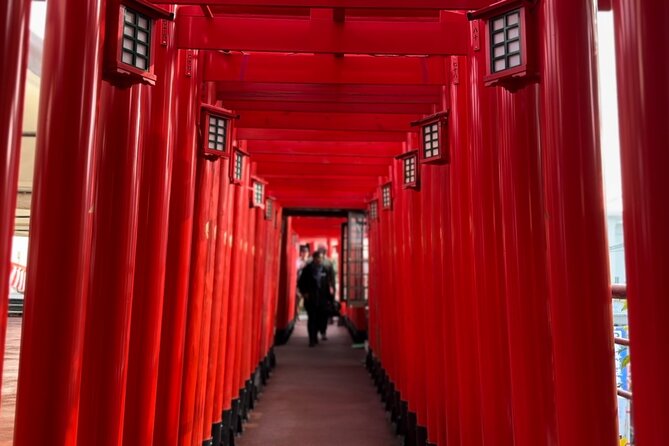
- Eight stops across Naha and Shuri: You visit temples, shrines, a sacred spring, a royal mausoleum site, and Shuri Castle’s famous gate.
- Electric bikes matter: The route includes hills, especially around Shuri, so the motor takes much of the strain out of the ride.
- A very small group: With a maximum of five people, you can ask questions and keep the pace personal.
- A look at living Okinawan worship: The focus is not only on buildings, but on how people still pray to kami, bodhisattvas, and ancestors.
- A useful cultural pairing: The ride links Ryukyu Kingdom history with modern Naha neighborhoods and ordinary streets.
- Weather can change the plan: If rain probability exceeds 70 percent or severe weather is expected, the operator may reschedule or refund the tour.
Starting beside Makishi Monorail Station

The meeting point is at 3-chōme-13-20 Makishi, about a one-minute walk from Makishi Monorail Station. That is a practical start in central Naha, especially if you are staying near Kokusai Street or using the monorail from elsewhere in the city.
At the shop, you collect your electric bicycle and fitted helmet. The staff gives a short safety briefing before setting off. This is not a long cycling lesson, but it should help you understand the bike and get comfortable before entering the streets.
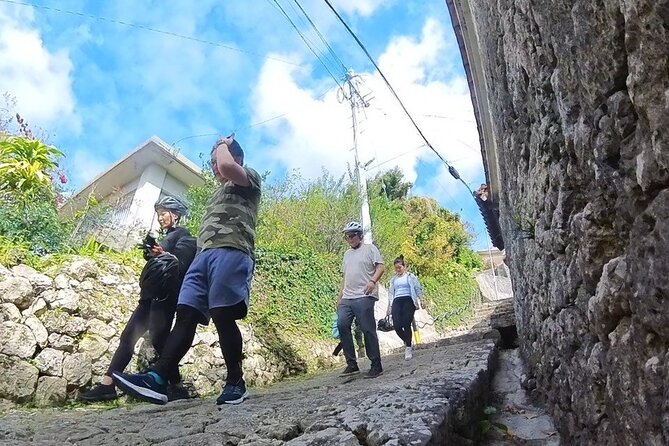
The bikes are one of the tour’s most useful features. Shuri rises above central Naha, and the route includes uphill sections. One rider specifically noted that the electric assistance made the hills much easier, while also pointing out that some riding takes place beside busy traffic. I would choose this tour for its cultural route, not because Naha is a quiet cycling city.
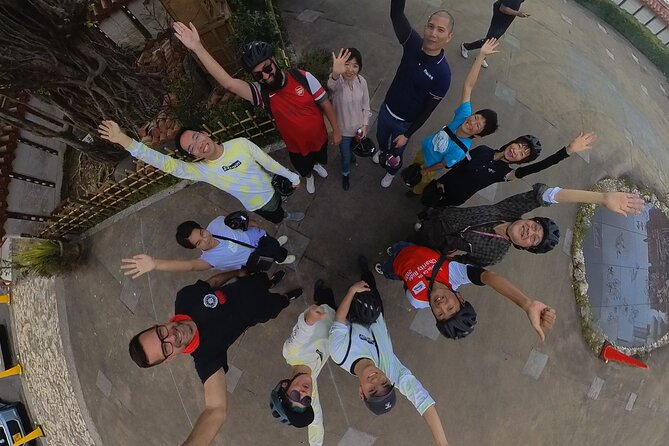
The group limit of five is a real advantage. A guide can stop without holding up a large crowd, explain a carving or prayer custom, and help with photographs. Guides named in past outings include Maria, Jojo, Sally, and Reija. The reports of these guides are especially positive about friendliness, explanations, and help with pictures.
More RIB and Zodiac Boat Tours in the world:
- Tadoussac/Charlevoix: Whale Watching Zodiac Tour
★ 4.3 · 2,716 reviews - Exhilarating Rib experience – Dingle sea safari
★ 5.0 · 1,349 reviews - From Stavanger: RIB Tour to Lysefjord
★ 4.9 · 1,288 reviews
Shuri Kannondo and the guardian of the kingdom
The first major stop is Shuri Kannondo, a bright vermilion temple with views across the Shuri area. Here you can see Kannon Bodhisattva, regarded as the guardian deity of the Ryukyu Kingdom, along with carved details and ornamental decoration.
This is a good early stop because it introduces the religious side of Okinawa before the tour reaches its other sacred places. The red paint catches the eye, but the more useful part is the chance to understand that Shuri’s importance was not only political. It was also spiritual, with temples and shrines tied to royal protection and local prayer.
You have about 20 minutes here. That is enough to look around, take photographs, and listen to the guide’s explanation, but not enough for a long, unhurried temple visit. The tour works best if you accept that each stop is a focused introduction rather than an extended historical study.
Ankoku-ji and the older residential lanes
The ride to Ankoku-ji Temple passes through a local part of Naha where some traditional homes remain. This short stretch may be as valuable as the formal sites. You get a sense of how religious buildings fit into ordinary neighborhoods instead of seeing them only as isolated monuments.
Ankoku-ji has practiced Okinawan Buddhism for more than 500 years. The guide explains the temple’s role and points out its older features, giving you a connection to the long religious history of the area without requiring a full day at a museum.
The route itself requires attention. Naha streets can be busy, and the group may ride near traffic. Keep your eyes on the guide and road conditions rather than trying to photograph everything from the saddle. The electric bicycle helps, but it does not remove the need for normal urban cycling care.
Shuri Castle’s vermilion gate
The Shuri Castle stop is shorter and more visual. You can position your bicycle in front of the ceremonial gate for a photograph, with the strong red color and balanced design making an unmistakable Okinawan image.
This is not presented as a full castle tour. The stop centers on the gate and its symbolism, so you should not expect a long visit inside the castle grounds or a detailed reconstruction tour. That limited approach makes sense within a four-hour ride, particularly because the tour is trying to show several religious sites rather than spend the whole morning in one place.
Still, the stop provides an important link. Shuri Castle represents Okinawa’s royal past, while the surrounding temples, springs, and mausoleum sites show the beliefs and ceremonies that supported that royal world. The route makes more sense when you see these places together.
A few more speedboat days around the world worth a look
- Fiordland Jet Boat and Biking Combo from Te Anau
★ 5.0 · 133 reviews - Half-Day Mekong Delta by Speedboat and Leisure Biking
★ 5.0 · 87 reviews - Naha: Guided E-Bike Tour of the 12 Zodiac Temples
★ 4.9 · 50 reviews - Mekong Delta Full Day Trip by Speedboat with Leisure Biking
★ 5.0 · 44 reviews
Sairaiin, the Daruma Temple
Sairaiin is also called the Daruma Temple, and it has a very different visual character. Worshippers visit to pray for good health and pregnancy, and the temple is filled with bright red daruma dolls.
The daruma figures give the stop an immediate visual focus, but the guide’s explanation adds the human meaning. This is a place of hope, gratitude, and family concerns, not simply a colorful photo stop. You can learn how prayer remains part of daily life in Okinawa.
The tour includes a goshuin-cho, which is particularly fitting here. A goshuin book is used to record visits to Buddhist temples and Shinto shrines, usually with calligraphy and a red seal. The supplied information does not promise a stamp at every stop, so ask your guide how the book is used during this particular route.
Seikoji beneath the monorail

Seikoji creates one of the tour’s sharper changes in mood. You cross a main road and pass beneath the elevated monorail. Then the city noise gives way to a temple with a more secluded feel.
The current temple was rebuilt after the war, while an older Japanese stone lantern nearby connects the site to an earlier period. This contrast is central to Okinawa. War damage and reconstruction are part of the island’s story, but older objects and religious practices still provide links to what came before.
I like this kind of stop because it does not pretend Naha is an untouched historical town. You see the modern transport system overhead, a rebuilt temple beside it, and an older religious object still in place. The result is more honest than a route made only of polished heritage sites.
Shuritobarucho and the sacred spring
Shuritobarucho is a spring hidden in a wooded area. Its story connects an Okinawan princess with waterfowl and the discovery of water deep in the forest.
The spring gives the tour a change of pace after several temples and urban streets. Water has long carried spiritual meaning in Okinawa, and this stop shows how a natural source can become a sacred place through local memory and royal association.
You should not expect a large attraction with extensive facilities. The value is in the quiet setting and the story attached to it. The visit lasts about 15 minutes, so listen closely while the guide explains the site and take care around the area.
Sogenji-dori and the royal tombs
The route then includes a downhill ride along Sogenji-dori. The descent can be fun, but it is also a reminder to control your speed and follow the guide’s instructions.
The destination is a sacred place where successive Ryukyu kings were buried. Today, the area is a city park with clean air and greenery, but the stone gate and old banyan tree point to its earlier role. It is another place where modern Naha and the royal past sit close together.
The downhill section may be welcome after the climb toward Shuri, especially for riders who are less accustomed to hills. You still need to handle the bicycle carefully, particularly if roads are wet. The operator can change plans in severe weather, and that is sensible for a route with both traffic and slopes.
Why the religious focus makes this tour different
Naha has plenty of familiar visitor stops, but this ride gives you a way to understand Okinawa through worship. You see Buddhist temples, sacred water, royal burial places, and a major ceremonial gate in one connected route.
The emphasis is also on present-day practice. You may see people praying, making offerings, or visiting for health and family hopes. That makes the tour feel less like a checklist of old buildings and more like a look at beliefs that remain part of local life.
The guide is important here. The sites can be easy to misread if you only see red gates, statues, lanterns, and carved wood. Maria was praised for explaining Okinawan culture while handling the roads, Jojo for answering questions and helping with photographs, Sally for explaining the route’s natural and historical points, and Reija for giving clear explanations during a private outing.
Four hours, snacks, and the real value of the price
The listed price is $108.72 per person. That is not a cheap way to rent a bicycle for an afternoon, but this is more than bicycle hire. The price covers the electric bike, helmet, guide, pilgrim’s book, snacks, and a small-group experience visiting places that would be difficult to connect efficiently on your own.
The route is advertised at about four hours. One outing covered the main sights in roughly two and a half hours, so the actual pace can vary with weather, traffic, questions, and how long the group spends at each stop. I would keep the rest of the morning or afternoon flexible rather than scheduling a tight connection afterward.
Bottled water is not included. Bring your own, especially in Okinawa’s warm weather. A phone holder and camera mount are also not provided, so you may want to keep your phone in a secure pocket rather than trying to use it while riding.
The tour ends back at the shop, which is convenient. You can then continue around Naha on foot or by monorail without arranging a separate return transfer.
Who will enjoy this ride most
I would recommend this experience to you if you want cultural context, small-group attention, and a little exercise without committing to a full-day excursion. It suits visitors who have already seen the central shopping areas and want a different side of Naha.
It is also a good choice if you are interested in religion, royal history, local customs, or photography. The red temples, daruma dolls, castle gate, old stonework, spring, and banyan tree give you plenty of visual variety.
Families may be able to join with children aged one to five using a child seat attached to a parent’s bicycle. You need to consult the staff first. Most people can participate, but the route still requires comfort on a bicycle, attention around traffic, and enough stamina for hills.
I would hesitate if you dislike cycling in cities, are uneasy around traffic, or want long visits at each site. This is a moving tour with several brief stops, not a slow temple retreat. Rain also matters. If the precipitation probability is above 70 percent or severe weather is expected, the operator may change the plan and contact you the day before.
Should you book the Zodiac Shrines and Naha Backstreets Cycling Tour?
Book it if you want to connect Shuri Castle with the quieter religious places around it. The electric bike makes the hills manageable, the five-person limit keeps the outing personal, and the guide adds meaning that you would likely miss by simply following a map.
Skip it if you want a relaxed walking tour, a full castle visit, or a route entirely away from traffic. For the right visitor, though, this is a smart use of half a day: active, focused, and packed with Okinawan places that are easy to overlook.
FAQ
Where does the cycling tour start?
It starts at 3-chōme-13-20 Makishi in Naha, about a one-minute walk from Makishi Monorail Station.
Where does the tour end?
The tour ends back at the shop where you return the bicycle.
How long does the experience last?
The tour is scheduled for approximately four hours, although the pace and total time can vary.
What is included in the price?
The price includes use of an electric bicycle, an Incom-installed cycling helmet, a pilgrim’s goshuin-cho book, and snacks.
Can young children join?
Children aged one to five may use a child seat attached to a parent’s bicycle. You should consult the staff for details before booking.
What happens if the weather is poor?
If the precipitation probability exceeds 70 percent or severe weather is expected, the operator may change the plan. If the experience is canceled because of poor weather, you can choose another date or receive a full refund.
Just added around the world
- Wanaka: Jet Boat & Wilderness Walk★ 4.9 · 42 reviews
- Taupo: Waikato River Jetboating Adventure★ 4.9 · 85 reviews
- Wānaka: Heli Siberia Max – Helicopter Flight, Hike, Jet Boat★ 5.0 · 3 reviews
- Go Jets Wanaka Clutha River Jet Boat Experience★ 5.0 · 5 reviews
- Kauai: Nā Pali Coast Zodiac Raft Sea Caves + Snorkel★ 4.9 · 166 reviews
- Wānaka: Heli Siberia – Helicopter Flight, Hike & Jet Boat★ 4.6 · 4 reviews
- Vlore: Speedboat Adventure Sazan Island & Haxhi Ali Cave★ 4.4 · 18 reviews
- Vlore: Secret Blue Gem Cave and Grama Bay Tour by Speed Boat★ 5.0 · 9 reviews
RIB & Zodiac Boat Tours, compared.


Exhilarating Rib experience – Dingle sea safari
Read our review →


From Svolvær: Lofoten RIB Sea Eagle Safari Trollfjord Cruise
Read our review →
Granite Falls Zodiac Tour by Vancouver Water Adventures
Read our review →Browse the lists this tour appears in